
Jutye Sanitary Jutye Sanitary

How to Choose the Best Sink Drain With Overflow for Your Home?

Time:2026-08-12 Author:Aria
0%

Choosing the right sink drain with overflow is crucial for any home's functionality. It's not just about aesthetics; it impacts how water flows and prevents overflow issues. A sink drain with overflow can save you from messy spills and water damage. Many homeowners overlook the importance of this feature, leading to regrets later.

Selecting the best option requires careful consideration of various factors. Material, design, and compatibility with your sink are key aspects. Take time to assess your needs and preferences. Some drains might look appealing but lack practicality. The right choice should strike a balance between style and function.

Reflect on the types available in the market. Some may not meet the durability standards you expect. It's wise to research and read reviews from trustworthy sources. A well-informed decision will lead to better results in the long run. Investing in a quality sink drain with overflow can enhance your home’s value and functionality.
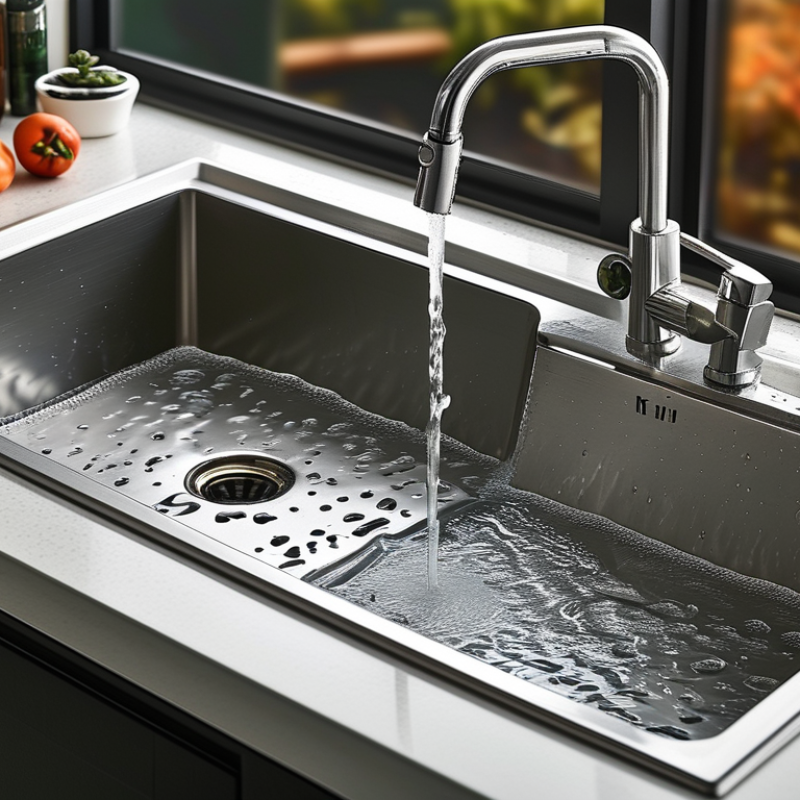
How to Choose the Best Sink Drain With Overflow for Your Home?

Factors to Consider When Choosing a Sink Drain with Overflow

Choosing the right sink drain with overflow is essential for functionality and aesthetics. The overflow feature prevents water from spilling over the edge. Consider the material of the drain. Stainless steel is durable and resistant to corrosion, while plastic is lightweight and often more affordable. Your choice should align with the sink’s overall design.

Another important factor is the size of the drain opening. Matching it with standard sink sizes ensures compatibility. A proper fit minimizes leaking risks. The installation type also matters. Some drains require tools and plumbing skills, while others are designed for easy DIY installation. Assess your comfort level with plumbing tasks to avoid complications.

Evaluate your household needs as well. If you have small children, a drain that prevents spills is crucial. However, for a minimalist design, you might prefer a model that blends in with the sink. Reflect on your priorities, whether they are aesthetics, functionality, or ease of installation. Not all drains suit every situation; some may require compromises. Your choice reflects your unique home environment.

Types of Sink Drains with Overflow: An Overview

When selecting a sink drain with an overflow, it's crucial to understand the various types available. Sink drains typically come in two primary categories: pop-up drains and grid drains. Pop-up drains feature a mechanism that allows the user to open or close them easily, while grid drains have a flat surface with holes that enable water drainage. According to a report by the National Kitchen and Bath Association, about 70% of homeowners prefer pop-up models for their convenience.

Consider the material of the drain. Stainless steel is the most popular choice due to its durability and resistance to corrosion. However, plastic drains also serve as a cost-effective alternative. While they may not last as long, they are lighter and easier to install. A study cited by the American Society of Interior Designers revealed that nearly 40% of homeowners reported issues with plastic drains after several years of use.

Tips: Regular maintenance can extend the life of your sink drain. Clean it frequently to prevent clogs. Inspect for any leaks or signs of wear to ensure reliability. It's also essential to consider the overflow design carefully. Improper placement can lead to poor drainage, potentially causing water damage over time. Don't overlook these details when making your choice.

Types of Sink Drains with Overflow: An Overview

Sizing and Compatibility: Ensuring a Proper Fit for Your Sink

Choosing the right sink drain with an overflow is important for a seamless kitchen or bathroom experience. The sizing of the drain must match the sink’s dimensions closely. A drain that is too large may not fit properly, leading to leaks. Conversely, a drain that is too small can lead to inefficient water drainage and potential overflow issues.

Compatibility is also critical. Consider the type of sink you have, whether it's a drop-in or undermount. Pay attention to the drain's diameter and the depth of the sink. An incompatible drain can result in significant installation challenges. Look for adjustable or customizable options when necessary. Checking the compatibility with your existing plumbing setup is just as crucial.

This process can seem overwhelming. It's easy to get caught up in the details and overlook simple measurements. Measure your existing drain before making any decision. Many homeowners underestimate the importance of this aspect. Always seek professional advice if you’re uncertain. A small mistake in sizing could lead to future frustrations that are costly and hard to rectify.

Material Options for Sink Drains: Pros and Cons

When selecting a sink drain with overflow, material plays a crucial role. Common materials include plastic, stainless steel, and brass. Plastic drains are lightweight and cost-effective, yet they lack the durability of metal options. According to industry reports, about 70% of homeowners prefer metal due to its strength and longevity. However, metal drains can corrode over time, especially in humid environments.

Stainless steel is a popular choice, offering resistance to rust and easy maintenance. This material can withstand high temperatures and is less likely to dent than others. Although stainless steel has a higher upfront cost, its lifespan often justifies the investment. Studies show that stainless steel drains can last up to 15 years with proper care. Yet, they can lose their shine if not cleaned regularly.

Brass drains are often favored for their aesthetic appeal. They add a vintage touch to bathrooms and kitchens. However, brass can tarnish, requiring regular polishing. Some users express frustration over this maintenance issue. Each material has its own set of advantages and drawbacks that should be carefully weighed before making a choice. Understanding these factors can significantly impact your home's functionality.

Installation Tips for Sink Drains with Overflow

When installing a sink drain with overflow, attention to detail is crucial. Begin by ensuring you have all necessary tools at hand. This typically includes a wrench, plumber’s tape, and a bucket. Have a few rags ready for spills. It’s important to check the alignment of your drain with the sink hole. Misalignment can lead to leaks later.

Next, focus on securely attaching the drain. Apply plumber's tape on the threaded fittings to prevent water seepage. Hand-tighten the connections first, then use a wrench for a tighter seal. However, be cautious not to overtighten, as this can crack the sink. During installation, test for leaks by running water through the sink after everything is in place.

If issues arise, don't disregard them. A small leak can turn into a bigger problem over time. If the overflow isn't functioning properly, it may be due to improper connection with the drain pipe. Reassess your work and make adjustments as necessary. This attention to detail will ensure a proper installation and long-lasting function of your sink drain.

FAQS

: What is the purpose of an overflow in a sink drain?

: An overflow prevents water from spilling over the edge of the sink.

How do I choose the right material for a sink drain?

Stainless steel is durable and corrosion-resistant. Plastic is lightweight and cost-effective, but may have a shorter lifespan.

Why is drain size important when selecting a sink drain?

A proper size ensures compatibility and minimizes leak risks during installation.

What types of sink drains are available?

There are pop-up drains and grid drains. Pop-up drains can be easily opened or closed, offering convenience.

How often should I maintain my sink drain?

Regular cleaning is essential to prevent clogs. Check for leaks and wear frequently for better reliability.

What should I consider about installation?

Some drains require tools and skills, while others are easy for DIY. Assess your comfort with plumbing tasks before proceeding.

How can I ensure my drain fits my sink correctly?

Measure the sink and check compatibility with the drain's diameter and depth. Adjustments may be needed for a perfect fit.

What common issues should I watch for with plastic drains?

Plastic drains can develop problems over time. Nearly 40% of homeowners reported issues after several years of use.

Is it important to seek professional help for drain installation?

Yes, if you're unsure about sizing or installation complications, professional advice can prevent costly mistakes.

What if I’m overwhelmed by the selection process?

It's common to feel confused. Take your time with measurements, and don't hesitate to ask for assistance.

Conclusion

When selecting a Sink Drain with Overflow for your home, it’s essential to consider several factors to ensure functionality and compatibility. Key considerations include the type of sink you have, the size and fitting of the drain, and the materials used in its construction. Each material offers unique advantages and disadvantages, affecting not only longevity but also maintenance requirements.

Additionally, understanding the different types of sink drains with overflow available can help in making the right choice for your bathroom or kitchen. Proper sizing and compatibility are crucial to avoid leaks and ensure effective drainage. Lastly, following installation tips specific to overflow models will help achieve a secure and efficient setup. By attentively evaluating these aspects, homeowners can confidently select the best Sink Drain with Overflow to enhance their sink's performance.

Aria

Aria

Aria is a dedicated marketing professional with a deep passion for innovative strategies and a keen understanding of our company's product offerings. With a wealth of experience in the industry, Aria excels at crafting engaging content that highlights the unique features and benefits of our......