
Jutye Sanitary Jutye Sanitary

How to Choose the Best Stainless Steel Floor Drain for Your Needs?

Time:2026-06-19 Author:Amelia
0%

Choosing the right Stainless Steel Floor Drain is crucial for effective drainage and long-lasting performance. Industry reports indicate that quality floor drains can significantly minimize water damage in commercial and residential settings. According to John Smith, a leading expert in drainage systems, "A well-chosen Stainless Steel Floor Drain can enhance both functionality and aesthetics."

The strength and durability of stainless steel make it an ideal choice for environments exposed to moisture. However, not all drains are created equal. Many consumers overlook important factors like size, flow rate, and installation type. A poorly selected drain can lead to blockages and costly repairs. Experts recommend assessing one’s specific needs before making a decision to avoid such pitfalls.

Further complicating the selection process is the array of designs available. While some prefer sleek and modern finishes, others look for traditional styles. A mismatch could diminish the overall appeal of a space. Thus, thorough research is essential. Buyers should seek reliable sources and expert advice to navigate this complex market.
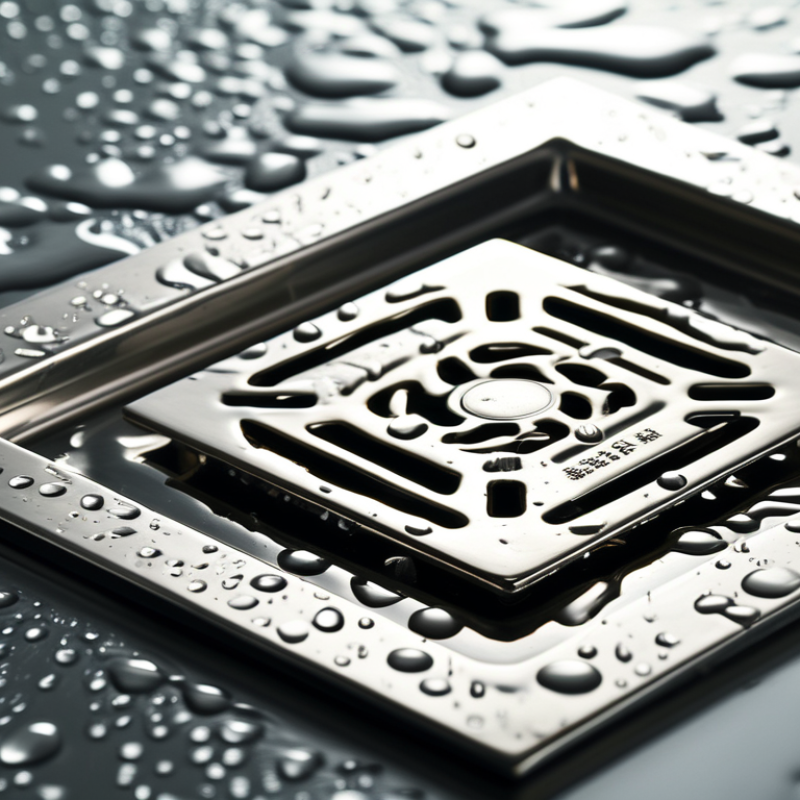
How to Choose the Best Stainless Steel Floor Drain for Your Needs?

Understanding Different Types of Stainless Steel Floor Drains and Their Uses

When choosing a stainless steel floor drain, understanding the types available is crucial. There are three main types: linear drains, point drains, and trench drains. Linear drains run along a wall or in the center of a shower. This design allows for a sleek, modern look while efficiently managing water flow. Point drains, on the other hand, are typically circular and best suited for smaller areas like bathrooms or kitchens. These are often easier to install but may require more frequent cleaning to prevent clogging.

Trench drains are suitable for larger spaces, such as garages or outdoor areas. They feature a long, narrow channel that collects water over a wider area. This type can handle a significant volume of runoff, making it ideal for rainwater management. However, trench drains can be more complicated to install and maintain.

The choice between these types depends on your specific needs and space constraints. Consider where the drain will be placed, the expected water flow, and your maintenance preferences. Balancing aesthetics with functionality leads to better overall satisfaction, even if it takes time to find the right fit.

Key Factors to Consider When Selecting a Floor Drain Material

Choosing the right stainless steel floor drain involves understanding key factors related to material selection. The quality of stainless steel can significantly impact durability and resistance to rust. Look for grades like 304 or 316, which are ideal for wet environments. These grades offer enhanced protection against corrosion and staining, vital in both residential and commercial settings.

Consider the design and function of the drain. A well-designed drain will have a proper outlet size to prevent clogging. Choose a model with a removable grate for easy cleaning. Pay attention to the drainage capacity, especially in high-traffic areas where water flow is heavy. Not all drains are created equal, and a wrong choice can lead to frequent maintenance issues.

Installation is another critical factor. Ensure that the drain fits well with your flooring. Improper fitting may cause leaks or breakage over time. Evaluate the available space and depth of your flooring; some drains work better in specific setups. Reflecting on these aspects helps prevent future regrets. Finding the right balance between aesthetics and functionality is essential.

Comparison of Floor Drain Materials

Evaluating Drain Size and Flow Rate for Optimal Performance

Choosing the right stainless steel floor drain involves careful evaluation of drain size and flow rate. These factors significantly impact performance and durability. According to the Plumbing Manufacturers International, a properly sized drain can handle between 2 to 10 gallons per minute (GPM) effectively. If the flow rate exceeds the drain's capacity, water can pool, leading to maintenance issues.

When selecting the drain size, consider the specific requirements of your environment. For commercial areas, larger drains are often necessary to accommodate heavy foot traffic and increased water flow. For example, a restaurant may require a drain capable of handling 5GPM to prevent overflow during peak hours. It's important to note that undersized drains can lead to blockages and costly repairs.

Additionally, integrating information from the American Society of Plumbing Engineers can guide your choice of trap size. A larger trap can reduce clogs but may require more frequent cleaning. Balancing these considerations can be challenging and requires careful planning. Each installation is unique, so taking the time to evaluate dimensions and flow can save money and time in the long run.

Comparing Grate Designs: Aesthetic and Functional Considerations

When selecting a stainless steel floor drain, grate design plays a crucial role in both aesthetics and functionality. According to industry reports, a well-designed grate can enhance water flow while minimizing clogs. Grate styles vary widely, from slotted designs to more decorative patterns. Each design serves a specific purpose, influencing not only efficiency but also the overall look of the space.

Functional considerations are key. Research indicates that drains with larger openings reduce the risk of debris accumulation. However, some homeowners might prefer a more intricate design for visual appeal. It's important to balance these aspects. Aesthetic choices shouldn't compromise the drain's performance. Certain designs may require more frequent cleaning, leading to additional maintenance costs.

Moreover, the finish of stainless steel can affect both durability and appearance. A matte finish might hide scratches better, while a polished surface may look sleeker. Selecting the right design involves understanding the environment where it will be installed. For instance, high-traffic areas demand a more robust grate design. Each choice comes with its challenges. Can a gorgeous design withstand everyday wear and tear? This is where careful consideration of both form and function becomes vital.

Maintenance Tips for Longevity of Stainless Steel Floor Drains

Proper maintenance of stainless steel floor drains is essential for their longevity. Regular cleaning helps prevent blockages and unpleasant odors. Use a mixture of warm water and mild detergent for routine cleaning. Avoid abrasive cleaners, as they can scratch the surface. Check for debris often to ensure smooth drainage.

Occasionally, inspect the drain for rust or corrosion. Stainless steel is resistant but not immune to damage. A small amount of vinegar can help remove minor rust spots. Ensure the drain cover fits well to keep out large debris. Remember, even small things can lead to significant issues.

If you notice slow drainage, take action. This can indicate a buildup within the pipes. Regular inspections can prevent more serious clogs. Using a drain strainer can also minimize maintenance tasks. It’s crucial to address these concerns promptly to maintain efficiency.

FAQS

: What are the main types of stainless steel floor drains?

: The main types are linear drains, point drains, and trench drains. Each has unique benefits for different spaces.

Where are linear drains typically installed?

Linear drains are often installed along walls or in the shower center. They provide a modern look and manage water flow effectively.

What is a point drain and where is it used?

A point drain is circular and ideal for smaller areas like bathrooms. It’s easier to install but may clog more often.

What are trench drains suited for?

Trench drains are ideal for larger spaces like garages. They collect water over a wide area, handling significant runoff.

How can grate design impact the effectiveness of a floor drain?

Grate design affects both aesthetics and functionality. Larger openings reduce clogs, while intricate designs might look better but require more cleaning.

What should be used for cleaning stainless steel drains?

Use warm water and mild detergent for cleaning. Avoid abrasives to prevent scratching the surface.

How often should stainless steel drains be inspected?

Regular inspections are important. Check for debris, rust, or slow drainage to prevent major clogs and ensure smooth functioning.

Can the finish of the drain affect its durability?

Yes, a matte finish may hide scratches better, while polished surfaces look sleeker. Choose the finish based on your environment.

Why is regular maintenance of drains important?

Regular maintenance prevents blockages and unpleasant odors. Addressing small issues early can save time and money in the long run.

What actions should be taken if drainage slows down?

Slow drainage can indicate buildup. Inspect and clean the pipes promptly to avoid more serious clogs.

Conclusion

When choosing the best stainless steel floor drain for your needs, it's essential to understand the various types available and their specific applications. Different environments may require different features, so evaluating factors like the material of the drain, size, and flow rate is crucial for optimal performance.

Aesthetics and functionality also play a significant role in selecting the right grate design, as these elements can enhance the appearance of your space while ensuring effective drainage. To maximize the longevity of your stainless steel floor drain, implementing regular maintenance practices is vital. By considering these aspects, you can ensure that your choice of a stainless steel floor drain meets your operational needs while maintaining its visual appeal over time.

Amelia

Amelia

Amelia is a seasoned marketing professional with a wealth of expertise in our company’s core offerings. With an unwavering passion for driving growth and innovation, she plays a pivotal role in shaping our marketing strategies and enhancing brand visibility. A key aspect of her responsibilities......